





Do you have a promising business idea that you think might thrive in Japan? Or maybe you’re already an entrepreneur and have thought about starting a business in the fourth-largest economy in the world. If this is the case, you might take advantage of the Startup Visa in Japan.
A Startup Visa is a visa designed for those who plan to start their business in Japan. While this visa may not be one of the most common visas, the Startup Visa is designed to prepare entrepreneurs before they can officially switch to a Business Manager Visa (経営・管理; keiei, kanri) as their residence status. This visa’s regulations have changed as of October 2025, which now includes higher capital cost and proof of Japanese ability.
In this guide, we will explain the process of obtaining a startup visa, who qualifies, and the business manager visa.
What is the Japan Startup Visa?
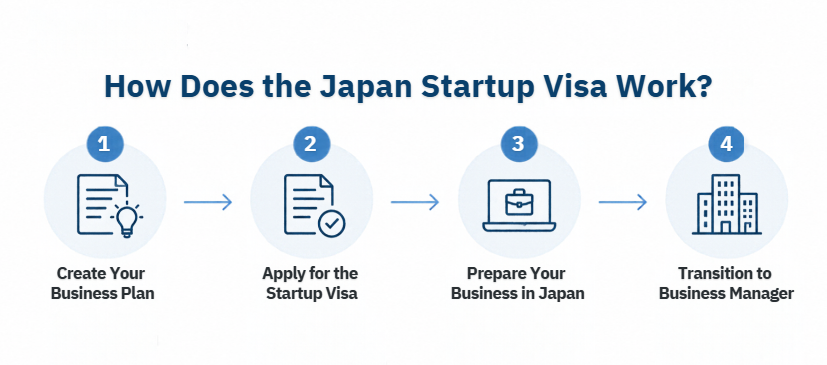
Japan’s Startup Visa allows foreign entrepreneurs seeking to live in Japan to establish their business in Japan before officially transitioning to the Business Manager Visa. It allows you up to two years to prepare your business in Japan before officially switching Business Manager as your residence status. In aviation terms, think of the Startup Visa that gets you on the runway, while the Business Manager Visa is when your business is cleared for takeoff.
At Coto Institute, we have had many questions from students and expats regarding becoming an entrepreneur in Japan, getting a business manager visa, and the requirements needed to obtain it.
Your residence status during the preparation period is generally known as the Designated Activities (特定活動, tokutei-katsudou). Once this preparation period ends and you’ve fully prepared your business, you can switch to Business Manager status, and you are officially ready to start your business.
You might have also heard the Business Manager visa referred to as the entrepreneur visa, which is a more informal term.
Startup Visa vs. Business Manager Visa
The Startup Visa and the Business Manager Visa have different purposes. The Startup Visa is aimed for foreign entrepreneurs preparing their business plan in Japan, while the Business Manager Visa is for business owners ready to operate their business in Japan.
One of the biggest differences between these two visas is that you do not need to meet all the Business Manager Visa requirements when applying for the Startup Visa Program.
The following table shows these differences:
| Requirement | Startup Visa | Business Manager Visa |
| Capital / funds | Plan to reach ¥30 million in business assets within the required timeframe | At least ¥30 million in capital or qualifying business investment |
| Office | Plan to secure business premises | Appropriate dedicated business premises required |
| Employees | Plan for at least one qualifying full-time employee | At least one qualifying full-time employee required |
| Duration | Up to 2 years | Generally 5, 3, 1 year, 6, 4 or 3 months |
| Japanese ability | Depends on program criteria; no identical standalone JLPT N2 rule | Applicant or qualifying full-time employee must demonstrate B2-equivalent Japanese |
What Changed in October 2025?
As of October 2025, major changes were made to its Business Manager Visa requirements, which made it more challenging for foreign entrepreneurs to establish their businesses in Japan. However, it wasn’t just the Business Manager Visa that was affected. The Startup Visa program also got revised to reflect the Business Manager Visa’s strict requirements.
If you are an aspiring entrepreneur seeking to establish your business in Japan, it’s important that you become aware of these changes before applying, as some sources you have seen may have become outdated as of October 2025. For the latest eligibility criteria and application guidelines, you can refer to the Ministry of Economy, Trade and Industry’s (METI) official Startup Visa information.
Now, let’s take a closer look about what changed for both the Business Manager Visa and the Startup Visa.
Changes in Business Manager Visa
Before the change, Japan’s Business Manager Visa was much easier for most aspiring foreign entrepreneurs to qualify for, with a capital requirement of ¥5 million and no proof of Japanese ability required. However, as of October 16th, 2025, the Japanese Government made the requirements to obtain this visa much stricter, with a capital of ¥30 million yen and proof of Japanese ability, often B2 or the equivalent of JLPT N2.
The following table lists the changes in the Business Manager Visa as of October 6th, 2026:
| Requirement | Before October 16th, 2025 | After October 16th, 2025 |
| Minimum capital | ¥5 million | ¥30 million |
| Japanese language proficiency | No formal requirement | B2 level or equivalent (e.g., JLPT N2) |
| Capital increase | — | 6 times higher (500% increase) |
| Difficulty for applicants | Lower financial and language barriers | Higher financial and language barriers |
This sixfold change and language requirement made it much more difficult for aspiring foreign entrepreneurs in Japan to be able to establish their business in Japan.
Changes in Startup Visa
The Startup Visa was also changed to reflect the change to the Business Manager Visa, with stricter standards in preparing your business in Japan.
The following table lists the changes in the Startup Visa as of October 6, 2026.
| Requirement | Before Oct. 16, 2025 | After Oct. 16, 2025 |
| Business experience or education | No general degree or management experience requirement | At least 1 year of qualifying management experience or a relevant master’s degree or higher |
| Business plan | Required a realistic business plan | Still required, with stronger emphasis on demonstrating how the revised Business Manager requirements will be met |
| Financial target | Plan to reach at least ¥5 million in business assets within the prescribed period. | Reach at least ¥30 million in business assets within the prescribed period |
| Employees | Not mandatory | Employ at least 1 qualifying full-time employee |
| Business premises | Plan to secure appropriate business premises | Still required, with the plan assessed against the revised standards |
| Residence | Intend to reside in Japan during business preparation | No major change |
| Business activity | Business had to meet the approved program’s eligibility criteria | Still required; criteria may vary by organization |
These are the old rules compared to the new updated rules as of October 6th, 2025, according to the METI October 2025 Startup Visa Revisions.
Who Qualifies For The Startup Visa?

The Startup Visa is designed primarily for aspiring foreign entrepreneurs who want to start a business in Japan. These types of business can range from a marketing agency, business consulting firm, or even a hotel. Some more examples of types of businesses you can run also include:
- IT & Technology
- Business Consulting
- Marketing
- E-commerce
- Retail
- Tourism & Hospitality
- Creative industries
- Other
You don’t necessarily have to run a large-scale enterprise and become the next big company that can compete against large companies. However, you need to provide a realistic business plan, prove that you can reach the financial target within the timeframe, and have proof of the recent language requirements, you may qualify for this visa.
Keep in mind that even if you have the most promising business idea, that alone does not automatically qualify you for the Startup Visa nor does it guarantee you approval.
Who Might Not Be Suitable for the Startup Visa?
People Who Want to Work a Regular Job
While the Startup Visa may be a good fit for certain people seeking to work independently in Japan, it might not be for everyone. The most common people who might not be suitable for this visa are those who simply want to work a regular job at a company in Japan, as these people are expected to aim for getting certain work visas depending on their field, rather than starting a business.
If this applies to you, you can refer to Coto Academy’s guide on How to Get a Working Visa in Japan. You can also check out Coto Institute’s guide about skills Japanese companies look for in foreign applicants to better understand what employers look for.
People Who Want to Study in Japan
Whether you are studying at a University or language school, other people who may not be suitable for this Visa are people who are trying to study in Japan. For this, you will need a student visa, as Japan expects students to focus on their studies rather than starting a business.
You can check out Coto Institute’s guide on required documents for the Student Visa if you plan on studying in Japan. You can also consider studying at Coto Institute if you want to build up your business Japanese necessary to start up a business in Japan.
Others
Other people who may not qualify for the Startup Visa are those who plan to work as a solo freelancer in Japan without establishing a business that meets the Business Manager requirements.
Lastly, some foreign business owners might already fully meet the requirements for a Business Manager Visa, so applying straight for that resident status might be more ideal than applying for the Startup Visa.
How Do I Apply?
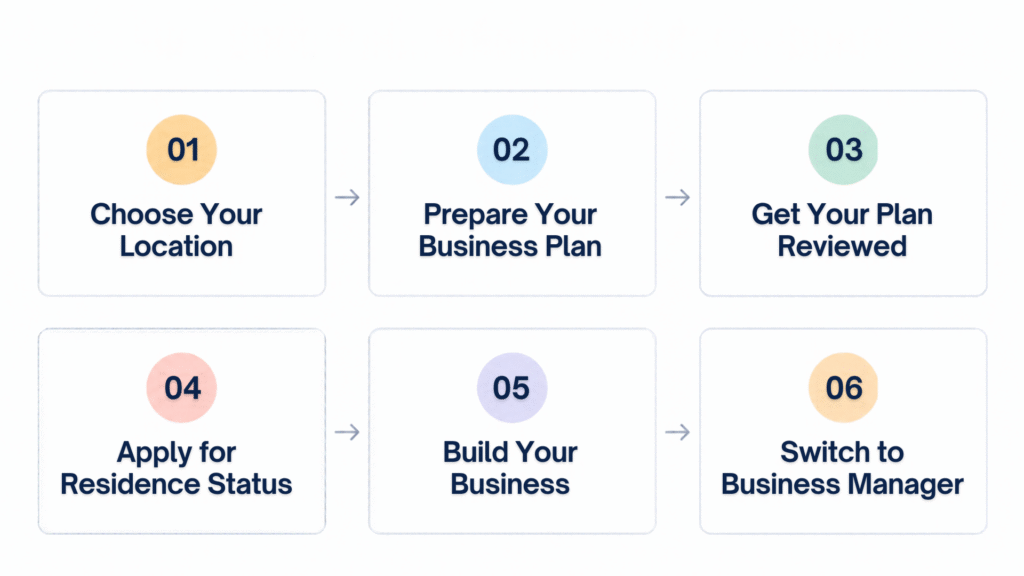
Now that you’ve learned what the Startup Visa is, how it differs from the Business Manager Visa, and figured out the Startup Visa may go along with your business goals and potentially be the right fit for you, you’re probably wondering “What happens next? How do I apply?”
The process might seem intimidating at first, but if you follow along with these six steps, the application process will become much simpler to grasp.
Step 1: Choose Where Your Business Location
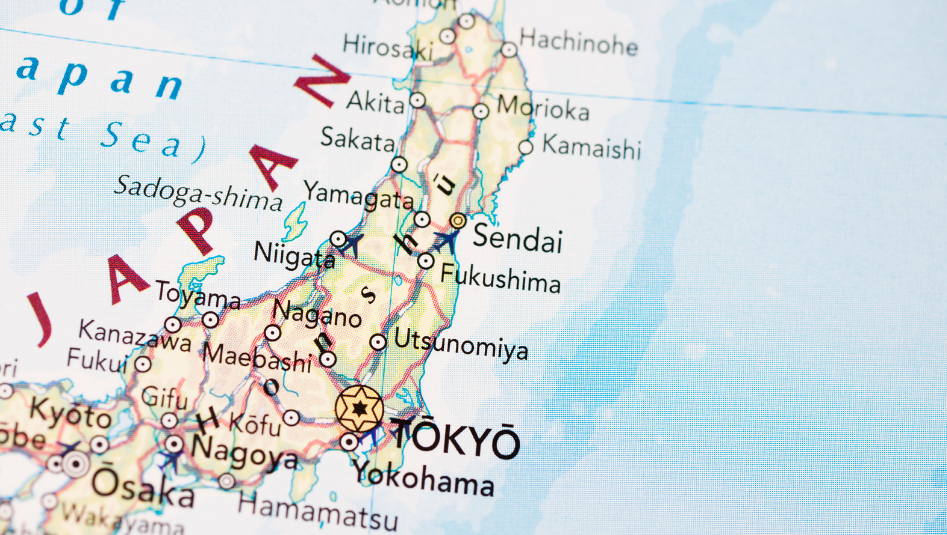
You know for sure that you want to launch your business in Japan. But where exactly in Japan? Your first step in making this decision is to find a certified organization that supports Startup Visa applicants in that certain area.
Some of the most well-known locations include:
- Tokyo – Japan’s largest business hub, with many opportunities in technology, finance and international business.
- Yokohama – Business center near Tokyo with an international commercial environment.
- Osaka – A major commercial center in Japan with a growing startup ecosystem.
- Kyoto – Popular for technology and innovation-based businesses
- Nagoya – A major hub in the automotive and manufacturing industries
- Fukuoka – Has a startup-friendly environment for international entrepreneurs
- Other locations
You can find a list of participating local governments and approved organizations through METI’s official Startup Visa guide.
Which Area Fits Both Me and My Business?
If you’re still deciding where in Japan you’d like to live and operate your business, rather than choosing an area just because it has a participating local government for your Startup Visa, it’s also important to consider where exactly you want to live in Japan and why it fits your lifestyle.
You can take Coto School Finder’s quiz to find which Japanese city best fits you to give you a better idea. If you are also interested in studying in Japan to build the necessary language skills to start up a business, you can also use the quiz to figure out which language school also fits you.
Note that this quiz is meant to be taken for fun, and only to give you a basic idea on which language school location is the best fit for you. Also note that not all locations you get in this quiz have certified local organizations that support the Startup Visa in that area, so it is highly recommended to conduct your own research.
Step 2: Prepare Your Business Plan

This next step is probably one of the most important parts of this process: Your Startup Activity Plan.
In this step, you must provide a realistic and convincing explanation on what exactly your business will do, how you will fund and operate it, why you want to establish it in Japan and how you intend it to develop within the next coming years.
Depending on your designated local organization, you may also need to submit supporting documents to backup your plan. These may include:
- Business Evidence
- Proof of Funds
- Education
- Proof of Identity
- Office Plans
Note that supporting document requirements may vary depending on your designated local organization.
Step 3: Get Your Plan Reviewed

Your designated certified organization will review your application and proposed business plan. They will also determine how realistic your proposed business model is and if it meets the requirements for the Startup Visa. A third party will also be involved in this reviewing process, as they will need to be certain that your business plan is realistically manageable.
After your plan has been approved, you will be issued a Certificate of Confirmation, which you will eventually need for the immigration process. From there, you will eventually need to prepare to apply for your residence status.
Step 4: Apply For Residence Status

Once your proposed business plan is approved and you receive your Certificate of Confirmation, here comes the step nearly every foreigner living in Japan has to go through: the immigration process. If you are applying from overseas, you generally would need to apply for a Certificate of Eligibility (COE) for the residence status known as Designated Activities (特定活動). You may have also heard of this residence status if you ever had to apply for a job-hunting visa, which is another type of Designated Activities status.
The COE Process:
The Regional Immigration Bureau will then take a look at your confirmation certificate, and approve your Certificate of Eligibility (COE). You will then need to take your COE at your local Japanese embassy or consulate, where you will also need the following documents:
- Your passport
- Certificate of Confirmation
- Recent passport-sized photograph (4.5 cm × 4.5 cm)
- Proof of living expenses (bank statements, etc.)
- Your planned address in Japan
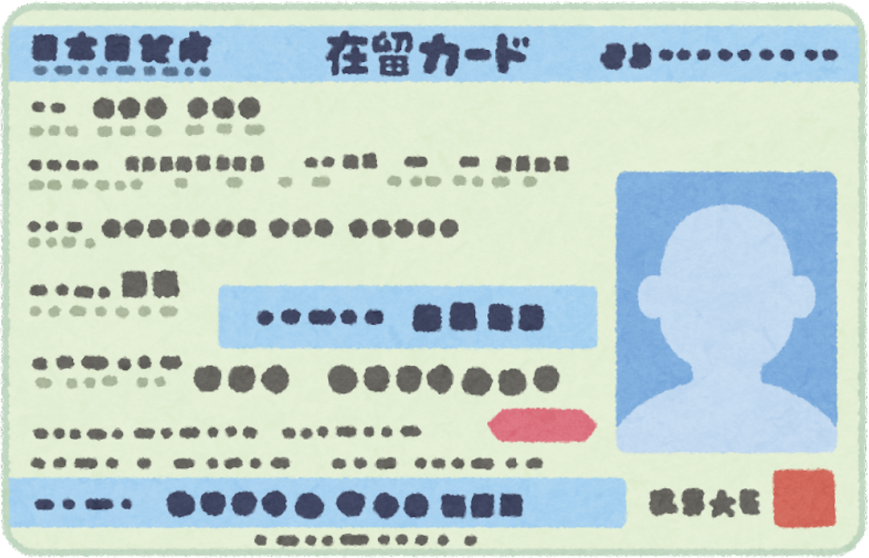
Once they check that your passport is valid and your identity matches, they will stamp the actual visa entry into your passport. From there, you can travel to Japan. Upon arrival, immigration officers will conduct an examination before they hand you your residence card (在留カード、zairyuu card) and you are officially moved into Japan, ready to prepare for your business.
Outside of preparing for your business, you’ll also need to settle into your new life in Japan. This includes finding housing, registering your address, and setting up your utilities. For more advice about this, check out our 30-day checklist for moving to Japan.
Step 5: Prepare Your Business in Japan

You’re now moved to Japan, and it’s time to prepare to turn your business plan into an actual business in Japan. This is during your initial Startup Visa period, in which you can work toward different goals required to build up your business, such as developing your product or service, securing your business premises, hiring employees, or raising enough funds. You generally have around two years in this period until you are ready to upgrade to the Business Manager Visa. Your certified local organization will continue monitoring your progress and providing any needed support, making sure your business is developing according to plan.
(Optional) Consider Consulting with an Accountant
Because launching a business in Japan will likely involve dealing with financial and tax-related scenarios, you may also want to consider consulting with a professional accountant who can provide you assistance in managing your finance and also understanding Japan’s tax system. You can also check out our guide to foreign-friendly tax accountants in Tokyo.
Step 6: Switch to the Business Manager Visa

Once this preparation period is over, and your business meets the requirements for the Business Manager Visa, you now ready to apply to change your residence status to Business Manager (経営・管理). This process is done through your local Regional Immigration Services Bureau, where you will need to submit an Application for Change of Status of Residence
Keep in mind that this change is not automatic, as immigration will need to review whether your business satisfied the requirements for the Business Manager Visa. Once your application is approved, you generally need to pay a change-of-status application fee. For more information about this application fee, check out our guide to Japan’s visa renewal and change-of-status fees.
Once immigration has approved your application and you paid the application fee, you can officially begin operating under the Business Manager residence status in Japan, and you will be open for business!
Common Reasons Your Japan Startup Visa Application May Be Rejected

Planning a business can feel exciting, especially in a foreign country. But it’s important to note that sometimes even the seemingly best business ideas might not work out or seem realistic. This can result in your startup visa getting rejected, which can be pretty disappointing, especially for those who have dreamed of opening their business in Japan. If your application happens to be unsuccessful, it’s important to understand why it happened, and ways to avoid unnecessary setbacks.
Reason #1: Your Business Plan is Unclear or Unrealistic
This is probably one of the most common reasons why your Startup Visa application gets rejected. Your business may not be realistic or achievable. Immigration may view your business plan as too risky, and attempting to start your plan may end up in an unsuccessful business or even having to end up returning to your home country.
For example, let’s say you want to start a digital marketing agency in Japan. Simply stating that you want to provide advertising services to Japanese businesses may not be enough. Immigration may see that you or your employees may lack qualifications for this, whether it’s language or marketing knowledge, and having you start an agency in Japan may be too risky.
To avoid this, your plan must explain who your potential customers are, what services you will offer, how you plan to attract them to your business, and how you expect your business to generate revenue. You should also include any qualifications, such as a JLPT N2 or N1 certificate, and also show that you have years of expertise in your given field. Providing other explanations to back up your plan may be helpful as well, such as having a Japanese-speaking colleague who has experience in advertising in Japan.
Reason #2 You Cannot Demonstrate Sufficient Funding
You might have a plausible and realistic business plan in Japan, but you may also get rejected if you cannot provide proof that you can financially afford to implement the business.
You might not have enough required funds to be able to open your business for the Business Manager Visa, which is generally okay. However, if you cannot demonstrate that you can secure these funds, your application may be rejected.
For example, if you plan to rely on investors to fund your business during the preparation period, but you have no evidence of potential investment or funding strategy, they may question whether your business is financially achievable. Because of this, even the best and most promising business plan may be rejected if you do not provide supporting documents such as bank statements or funding agreements that can demonstrate how you intend to finance your business.
Reason #3: Your Application is Incomplete or Does Not Meet the Program’s Requirements
Sometimes even the most promising business idea with full financial proof may get rejected if you do not meet the requirements for your designated organization. Each participation may have its own required application procedures or documents. For example, your local organization may not support your type of business. Or maybe you forgot to submit important documents such as your proof of your professional experience. This may be flagged as inconsistent information, and it can delay the review process of your startup visa.
Because of this, it is important to review your local organization’s requirements and to make sure you submit all the documents you need to apply for the startup visa.
Do I Need to Know Japanese For The Startup Visa?
As of October 2025, either the applicant (yourself) or a qualifying full-time employee must demonstrate Japanese proficiency equivalent to CEFR B2, which is the equivalent to JLPT N2. Having a JLPT qualification can be valuable for your professional future in Japan.
However, JLPT N2 isn’t the only way to demonstrate Japanese language proficiency. There are also alternative qualifications that Japan’s immigration authorities also look at, such as the Business Japanese Test (BJT). To learn more about these qualifications, check out Coto Academy’s guide to Japanese language certificates accepted by immigration.
Can I Qualify if My Employee Speaks Japanese?
The good news is that you don’t necessarily have to know Japanese yourself, as long as a colleague or qualifying employee of your business can meet this language requirement. This is important, as conducting business in Japan will more than likely involve dealing with Japanese speakers, so having someone in your proposed business who can speak the language and understand the business culture is crucial for starting a business in Japan.
However, while it may be nice to have a colleague or qualified employee who can speak the language, learning Japanese is still highly encouraged, as actually having Japanese language skills will not only save you money, but it can be a major advantage as a business owner in Japan.
Want to Learn Japanese to Start Your Business?
If you already know some Japanese and are trying to apply for the startup visa, it’s highly recommended to use your preparation period to build up your Japanese skills as much as you can before you are ready to open up your business, as improving your business Japanese can help you gain the confidence in actually conducting business operations in Japanese.
That said, whether you plan to start a business, or get hired in a Japanese company, if you are interested in improving your communication skills in the business world, Coto Institute offers Japanese language courses that’s designed to help learners feel more ready to be a part of the business work force in Japan!
Apply at Coto Institute now to get started on your Japanese Business journey!
FAQ
Can I bring my family to Japan on a Startup Visa?
Unfortunately, family members are not automatically covered by your Startup Visa. Your family members are free to be able to join you in Japan but they will need to qualify for a residence status of their own. Because of this, it is highly advised to check with your participating Startup Visa organization and Japan’s Immigration Services Agency for options available for your family.
For more information about family-related immigration procedures, you can check out our guide to the Dependent Visa in Japan.
Can I work for another company while holding a Startup Visa?
No. The purpose of the Startup Visa is for preparing your own business in Japan, not to employ with another company. You may need separate permission from immigration to be able to earn income outside of your startup activities.
How much does a Japan Startup Visa cost?
The total cost of a Japan Startup Visa depends on your participating organization and business preparation expenses. Immigration procedures may also vary for this.
We highly advise that you budget for these extra costs, including immigration fees, translation, or any professional assistance provided. Business expenses, such as office and rent startup funding, are considered separate from visa application fees. You should check the latest fees with Japan’s Immigration Services Agency and your designated participating organization before applying for the Startup Visa.
Do I need an office to apply for a Startup Visa?
No, you do not need an office for a Startup Visa, at least not in the beginning of your preparation period. One of the main purposes of the Startup Visa is to give foreign entrepreneurs time to prepare their business before officially satisfying the requirements for a Business Manager Visa.
However, you will need to provide a realistic plan to secure appropriate premises for your business. An acceptable business location may be necessary once you start applying for a Business Manager visa.
Can I change from a Startup Visa to another visa in Japan?
Yes, you may be able to change to another residence status if you meet its eligibility requirements.
Sometimes, things can change during your stay in Japan, and while The Startup Visa is intended as a pathway to a Business Manager Visa, changing to another residence status may be possible depending on your circumstance and whether you meet the requirements for that separate visa or not.
It’s important to note that changing your residence status is not an automatic process and requires approval from immigration.
How long does it take to get a Japan Startup Visa approved
The processing time of your Startup Visa approval may vary between a few weeks to months depending on the organization that reviews your plan, as well as the amount of documents you submit. Immigration assessment may add into this time as well.